Phone:
(701)814-6992
Physical address:
6296 Donnelly Plaza
Ratkeville, Bahamas.

Phone:
(701)814-6992
Physical address:
6296 Donnelly Plaza
Ratkeville, Bahamas.
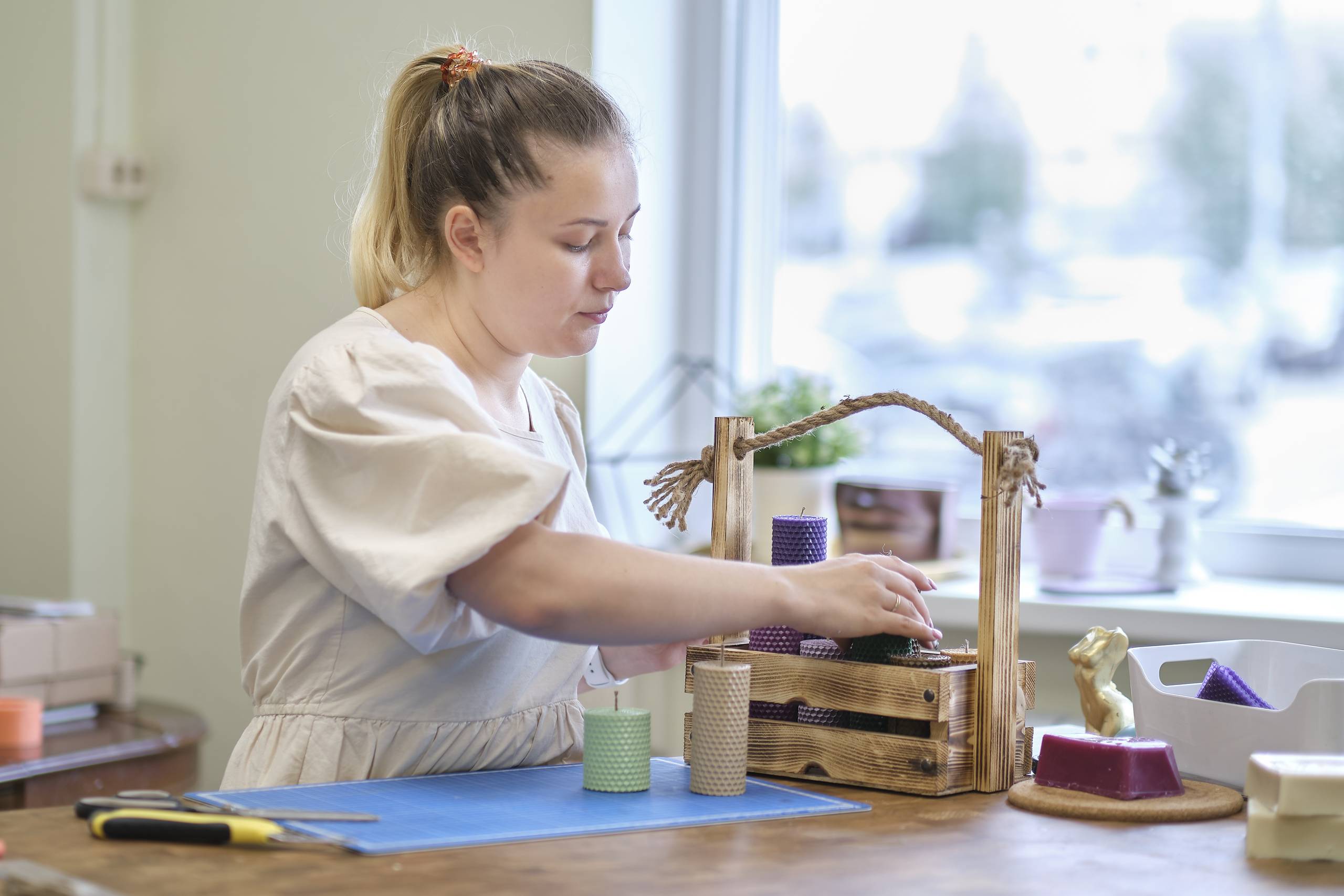
While solid additions don’t react to temperature, movement, and time, botanicals do. They’re more delicate and need to be treated as such. This means moving slower, and thinking before you act. Petal embedding isn’t just about adding embellishments to your candle, it’s about learning how botanicals interact in a medium that is changing state.
It starts before you pour wax. Petals need to be completely dry. If not, you risk cloudiness, bubbles, or an unusual set-up around the petal. It’s best to inspect each petal for dryness, colorfastness, and thickness. It’s better to find out now than to risk a problem later on. This is a great opportunity to practice working with your materials how they are, not how you want them to be. This is the make or break stage for an intentional or unintentional looking candle.
Next is temperature. Too hot, and you’ll discolor the petal, or cause it to shrink or roll out of the way. Too cold, and you’ll trap a bubble or end up with a wavy layer. I find it best to not trust my thermometer here, but instead watch the wax. There’s a very short window where it’s perfectly fluid and still. It takes time and practice to recognize that moment.
Lastly, there’s the actual act of embedding. Petals are eye-catching, so it’s easy to overdo it. Leave some breathing room between the botanicals to avoid cloudiness and make sure they’re still visible once the wax hardens. I like to gently work them into place without agitating the wax. This step separates the patient from the restless.
If you take your time with this technique, you’ll end up with a balanced and elegant candle. The petals will look suspended, not trapped. The wax will support the petals, not overwhelm them. Aside from the beautiful look, this will also hone your timing, temperature skills, and understanding of material interactions. Petal embedding is a great exercise in practicing how to recognize and react to change. Small actions have a profound effect on the final piece.